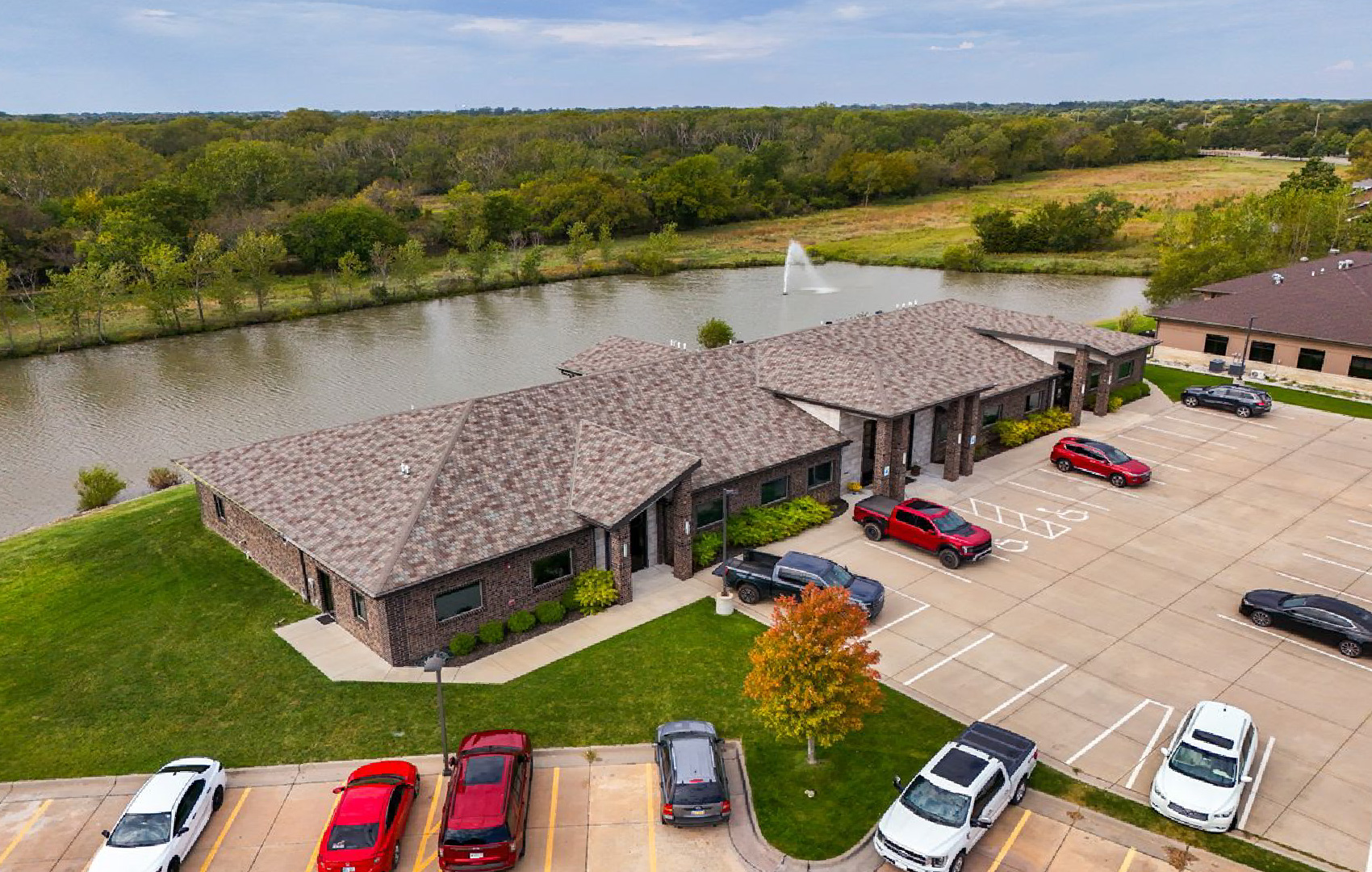
Purchasing a commercial property is a significant step in your real estate journey, whether you’re an investor seeking steady income or a business owner looking for space to grow. Those new to commercial real estate are often unsure of what to consider when buying a commercial property. Commercial real estate is not as simple as just making a financial commitment, and getting it right means doing your homework up front so you can make informed decisions from the start. Here is what we recommend you consider.
1. What Are Your Goals?
Before you even break into the world of commercial real estate, it’s important to define your goals and nail down a strategy for reaching them. Start by defining your short- and long-term goals. Answering some of the following questions should help you.
- What are you ultimately trying to achieve by purchasing commercial real estate?
- Are you buying to occupy or to rent out?
- What asset type are you targeting (retail, office, industrial, mixed‑use)?
- What return are you expecting? What minimum cap rate or cash flow will make the deal worthwhile?
- What price range makes sense given your budget and financing options?
Having clear goals helps you to filter opportunities and avoid pursuing properties that don’t align with your circumstances. Once you have clarified your goals, begin working on a strategy to identify properties that support your budget, timeline, and long-term objectives.
2. Location, Location, Location
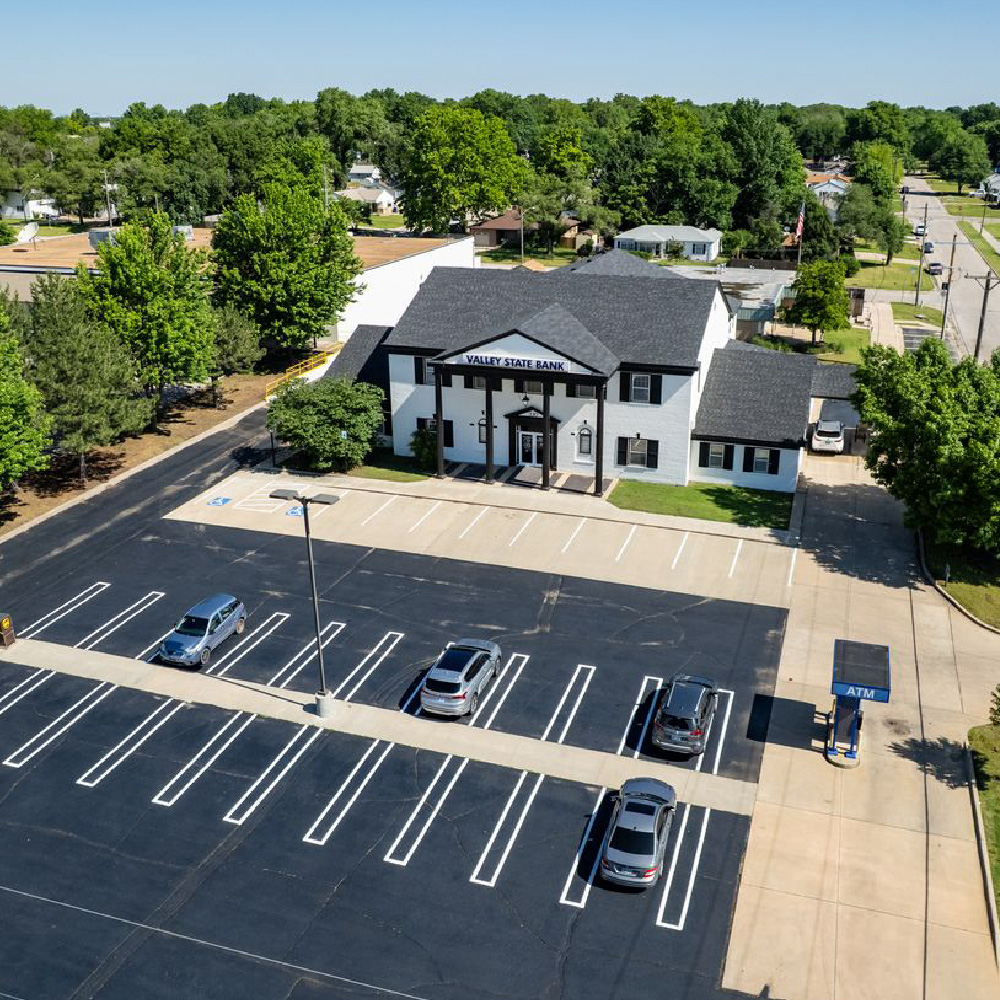
A commercial property’s location heavily influences its value and potential. Here are some important things to think about:
- Accessibility. Is it easy for tenants or customers to reach? Are there major roads, highways, or transit nearby?
- Visibility. How much exposure does the property have?
- Area Trends. Is the submarket stable or growing?
- Zoning and Future Use. Does the current zoning support your intended use (or the use of potential tenants)? What development or infrastructure plans are nearby?
Strong location fundamentals reduce risk by anchoring your investment in an area with steady economic activity, reliable infrastructure, and high tenant or customer demand. Properties situated in well-connected and stable markets are more resilient to market fluctuations and retain value over time.
3. Physical Condition & Building Systems
Once you’ve identified a property in a good location, dig deep into its physical condition. Some major items to inspect include:
- Roof, façade, drainage, site grading, and parking.
- Mechanical, electrical, plumbing (MEP) systems and heating, ventilation, and air conditioning (HVAC), including age, condition, and replacement costs.
- Structure and envelope, including foundation, walls, windows, and insulation.
- Compliance with building codes, life‑safety systems (fire sprinklers, alarms), and accessibility (ADA).
- Environmental risks, including contaminants, soil/groundwater issues, and underground storage tanks.
- Deferred maintenance. A seemingly “good deal” can have hidden costs.
Be sure to use qualified inspectors and engineers so you can budget for required repairs or replacements.
4. Legal, Zoning, and Title Review
Legal issues can kill a deal or become expensive surprises later. Key items to verify include:
- Title. Confirm ownership and check for liens, easements, or encumbrances.
- Zoning and Land Use. Is the property legally permitted for your intended use? Are there any variances needed?
- Permits and Certificates. Certificate of Occupancy, building code compliance, and fire/safety certificates.
- Lease Agreements (If There Are Tenants). Review terms, tenant creditworthiness, renewal options, and rent escalations.
- Environmental Liability. Especially for industrial or older properties, ensure you’re not inheriting costly cleanup obligations.
Working with an experienced real‑estate attorney and title company is critical.
5. Market and Financial Underwriting
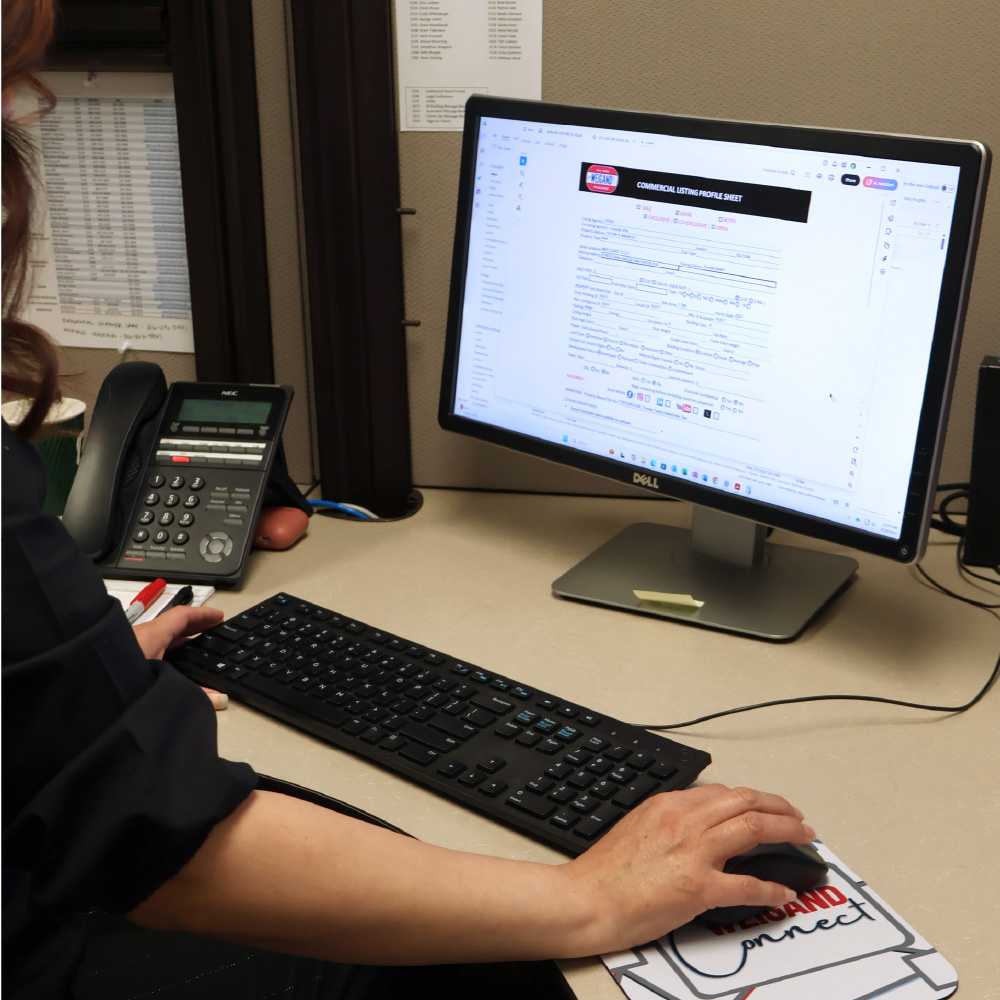
Even if a property checks all the boxes physically and legally, it still has to make financial sense. Make sure to consider the following.
- Comparable Properties and Market Metrics. What are rents, vacancy rates, and recent sales in the relevant submarket?
- Revenue and Expense History. Income from current tenants (if any), historic operating costs, tax assessments, and utilities.
- Financing. What loan terms can you secure? Interest rate, amortization, LTV (loan‑to‑value) ratio, and pre‑payment penalties.
- Sensitivity Analysis. Model scenarios (e.g., vacancy increases, rent declines, unexpected repairs) to understand downside risk.
6. Due Diligence & Timelines
A disciplined due diligence process is crucial for avoiding surprises and preserving your negotiation leverage.
- Create a due diligence checklist that includes physical inspections, document review, legal review, zoning review, environmental assessment, and tenant interviews.
- Establish clear timelines and deadlines (inspection window, loan approval, closing).
- Be ready to walk away or re‑negotiate if significant issues are uncovered. Many costs are not visible until you dig.
- Keep contingencies in your purchase contract to protect yourself.
7. Value‑Add & Future Potential
In a competitive market, finding value‑add opportunities can differentiate a deal.
- Renovation and Upgrades. Assess opportunities to modernize interiors, update systems, or improve curb appeal.
- Operational Efficiencies. Identify ways to reduce expenses through energy-efficient systems.
- Repositioning. Explore whether the property could serve a different use, such as converting offices to mixed-use or industrial to flex space.
- Market Growth. Research planned infrastructure projects, new developments, or demographic trends that could drive demand and appreciation.
- Zoning or Expansion Potential. Check if the property allows for future additions, redevelopment, or higher-density use.
8. Exit Strategy
When planning to purchase a commercial property, it’s essential to think beyond the initial acquisition. Whether or not you intend to sell in the future, having a well-defined exit strategy helps you stay flexible and protect your investment if market conditions or business needs change. Important considerations for your exit strategy should include:
- Resale Potential. Evaluate the property’s long-term marketability, location desirability, and potential for appreciation.
- Market Timing. Understand current market cycles and plan for how changes in interest rates, demand, or development trends could impact your sales options.
- Alternative Uses. Consider whether the property could be repurposed or redeveloped to meet future market needs.
- Lease Terms. For income properties, structure leases to maintain value and attractiveness to future buyers.
- Tax Implications. Review potential capital gains taxes, depreciation recapture, and 1031 exchange opportunities.
- Investment Horizon. Determine how long you plan to hold the asset and under what conditions you would divest.
A clear exit strategy enables you to adapt to market shifts and ensures your purchase aligns with your long-term financial goals.
Buying a commercial property is a major investment, but done well, it can generate stable cash flow and long‑term appreciation. At Weigand, we’re committed to helping buyers in Wichita navigate this process by identifying opportunities, evaluating properties, and helping you find the perfect space that fits your goals. Reach out to our team today if you’re ready to talk about the local market or look at listings.
Let’s explore how commercial real estate in Wichita can work for you!