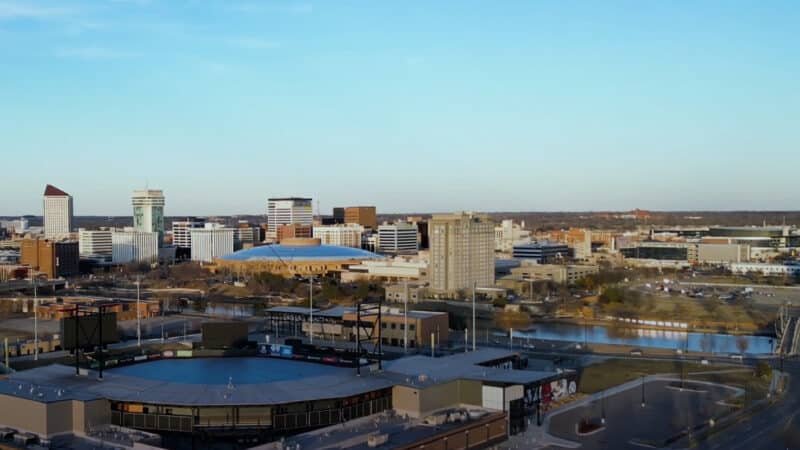
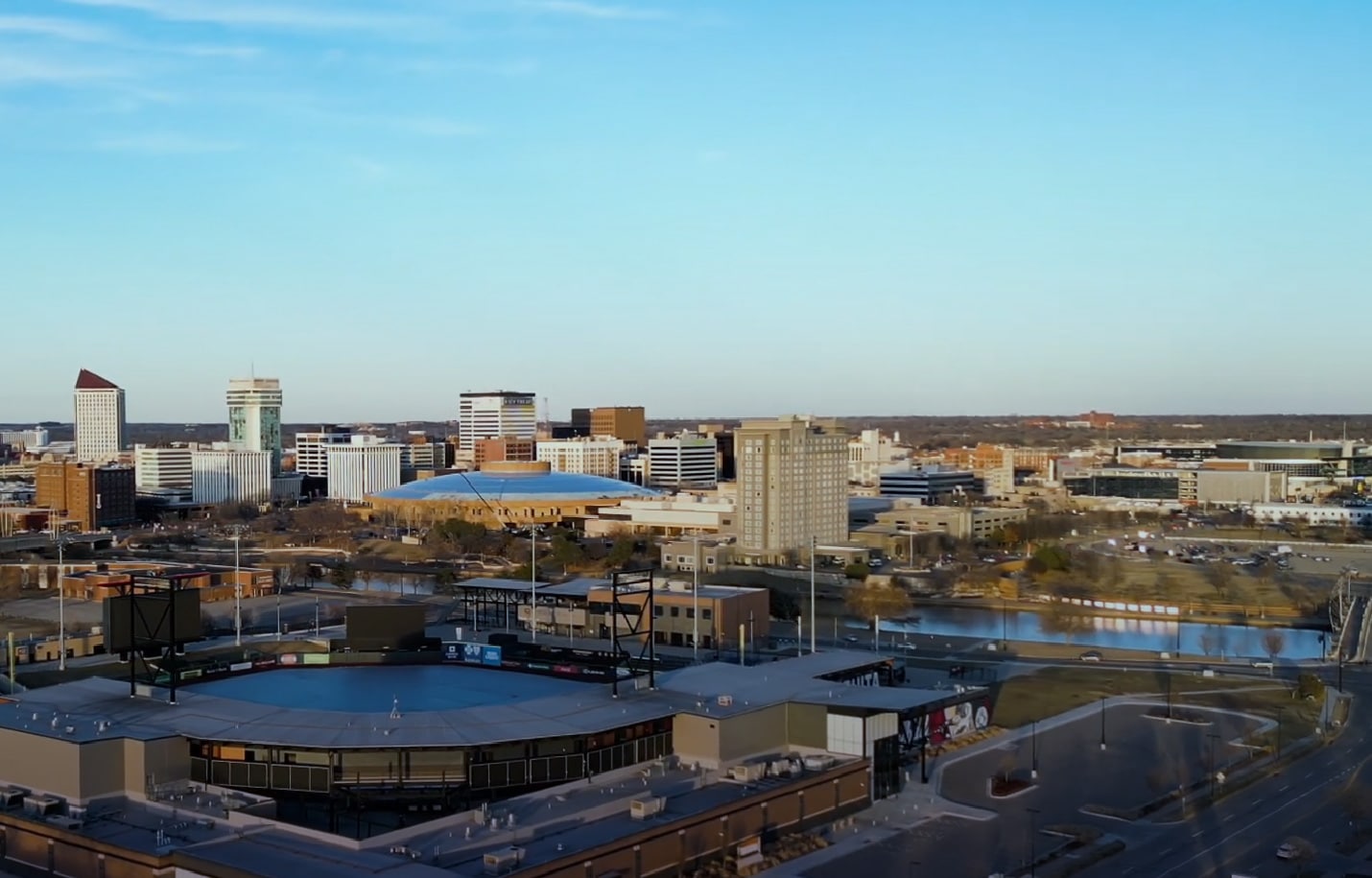
As we head into 2026, the commercial real estate market continues to evolve in response to economic shifts and technological innovations. Understanding these trends will help you make smarter decisions in a competitive environment, whether you’re a property owner, investor, or tenant in Wichita.
1. Flight to Quality and Tenant Experience
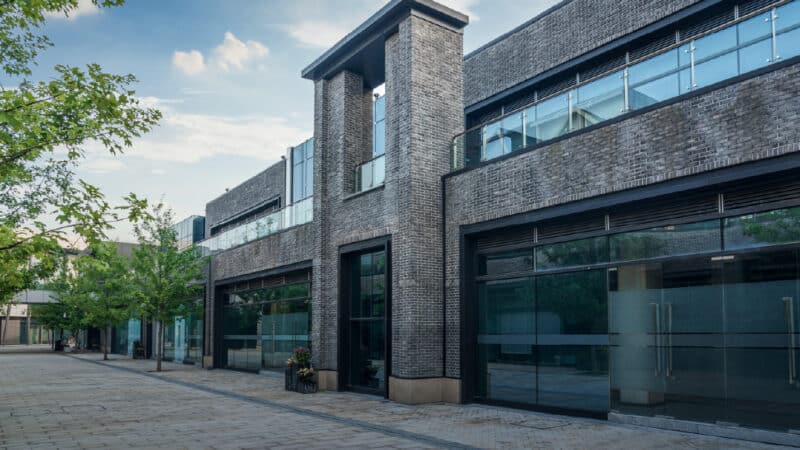
Across the U.S., tenants are prioritizing high-quality buildings with modern amenities, features, and design. Class A properties with wellness‑focused features and collaborative layouts are outperforming older buildings with limited amenities. This “flight to quality” trend is expected to continue in 2026, with premium assets commanding stronger occupancy.
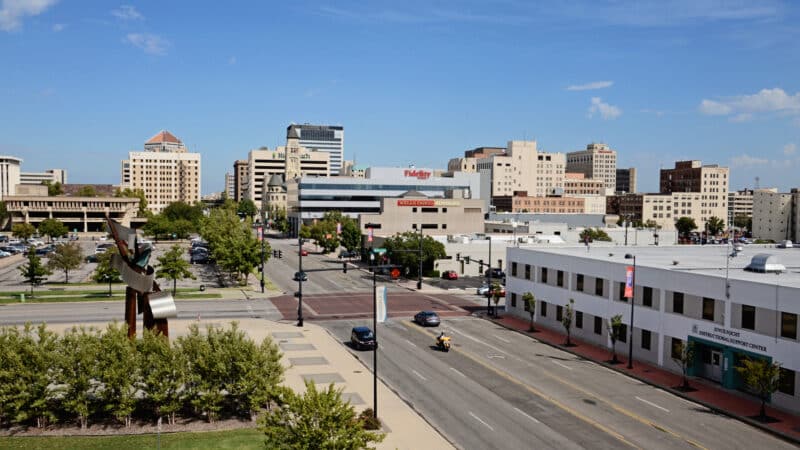
Wichita’s growing sectors, such as professional services and healthcare, are likely to stimulate demand for well‑located, modern offices and mixed‑use properties.
2. Hybrid Work Reshaping Office Spaces
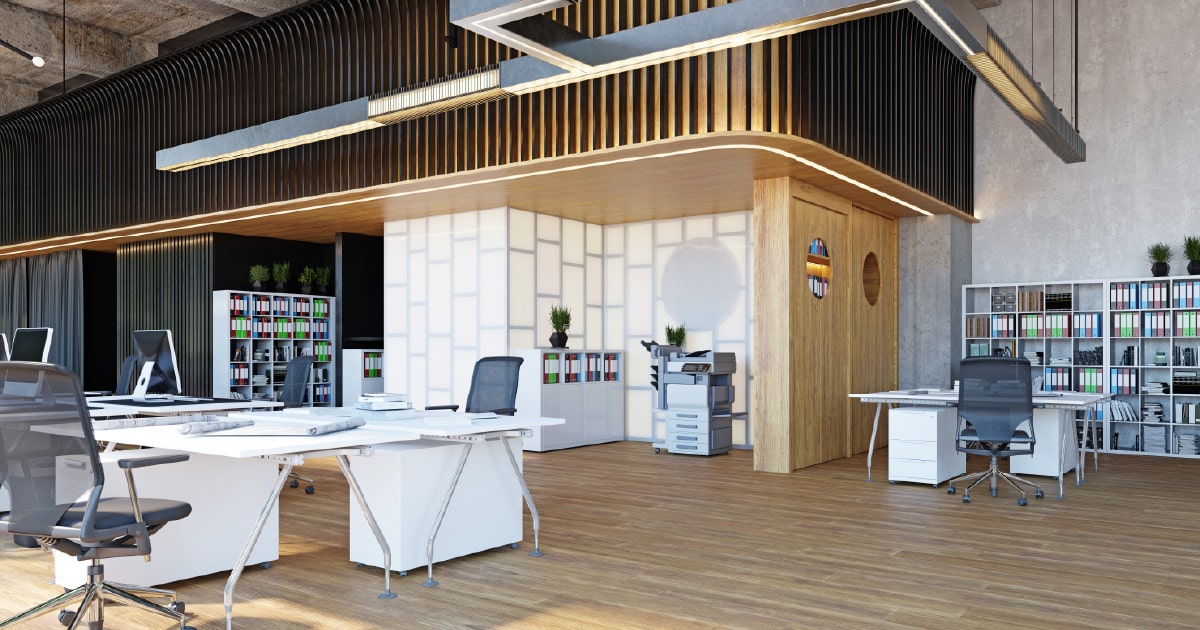
Hybrid and flexible work arrangements have declined since the pandemic, but they remain common in certain industries and roles. Rather than eliminating demand for office space, many companies are reconfiguring workplaces to better support collaboration. As a result, adaptive layouts, shared amenities, and satellite or flexible workspaces are gaining traction as organizations seek to balance in-person interaction and continued flexibility.
3. Sustainability and Energy Efficiency Are a Must
Investors and tenants in commercial real estate increasingly expect buildings to be energy‑efficient and environmentally responsible. Properties with green upgrades like efficient HVAC systems, smart energy systems, and sustainability certifications often achieve higher occupancy. Sustainable retrofits can add value to older buildings, helping them lower their overhead expenses and utility costs and compete with modern ones.
4. PropTech and AI Integration
Property technology (proptech) and artificial intelligence (AI) will continue to transform commercial real estate operations in 2026. Beyond retail implementing AI tools for customer service, technology like AI‑driven analytics, predictive maintenance, virtual tours, and streamlined leasing platforms will boost efficiency and improve the tenant experience. This trend also extends to valuation, risk assessment, asset management, and more. This will help investors and brokers make quicker, more data‑driven decisions.
5. Adaptive Reuse and Mixed‑Use Development
Markets with surplus office space or aging buildings are turning to adaptive reuse, which means converting underperforming assets into residential units, hotels, labs, or mixed‑use spaces. This trend addresses vacancy challenges as well as housing demands.
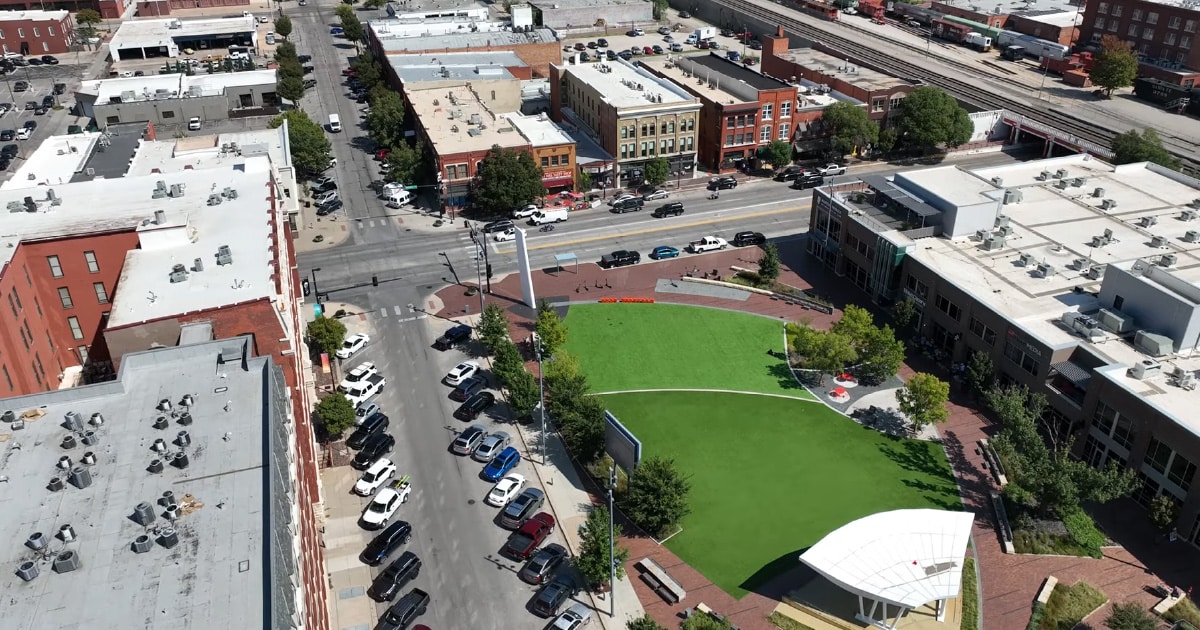
For Wichita, adaptive reuse can support downtown revitalization and diversify property uses while attracting new residents and businesses.
As the market continues to evolve, informed commercial real estate stakeholders in Wichita will be positioned to capitalize on new opportunities and achieve long-term success. For expert guidance and local insights, connect with the experienced team at Weigand!