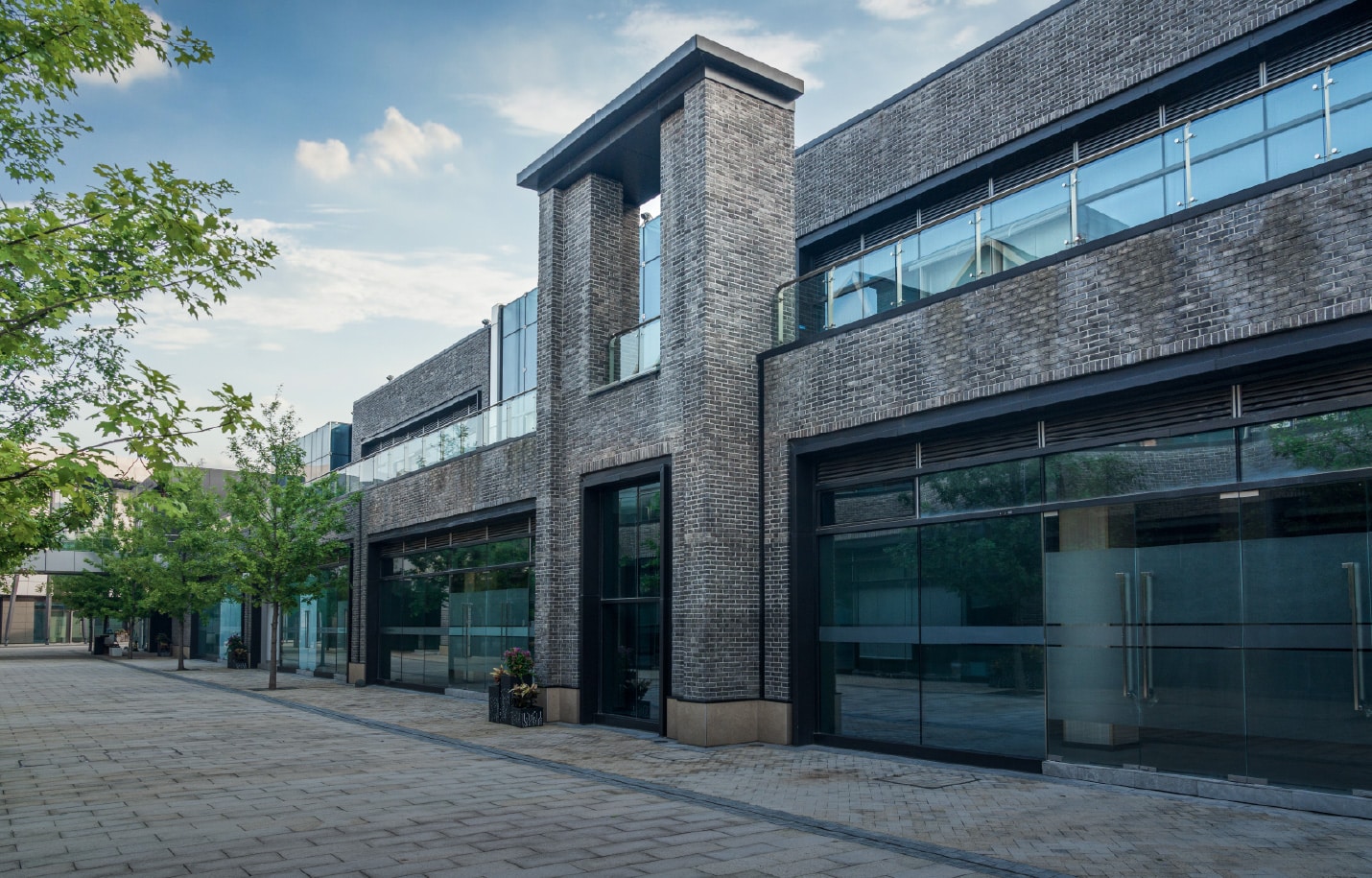
Smart Investments Lead To Increased Value
Investing in your commercial property provides benefits beyond creating a nice space. It also maximizes the long-term value of your commercial property, which attracts quality tenants and increases your return on investment (ROI). Commercial property owners can make strategic improvements that may significantly boost both the market value and income potential of their property.
At Weigand, we can help you identify these opportunities.
Strategic improvements can significantly increase your commercial property’s market value and long-term income potential.
Tips for Increasing Your Property’s Value
Here is a comprehensive list of improvements and updates that we suggest for investors looking to increase the value of their property.
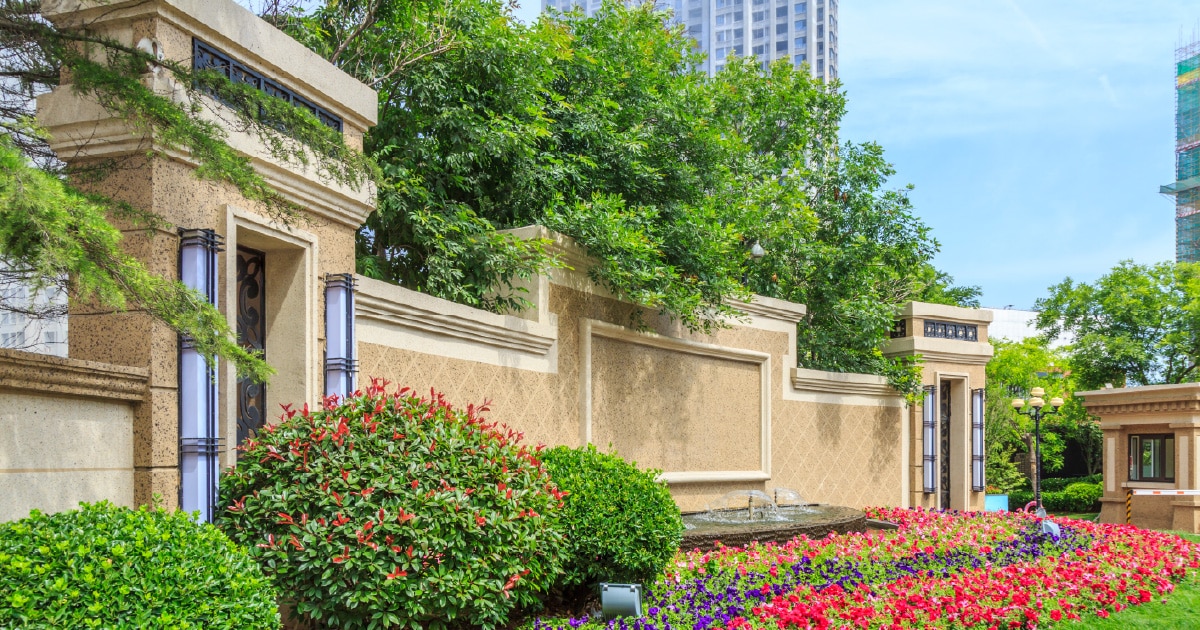
1. Improve Curb Appeal and Exterior Condition
First impressions matter, especially in commercial real estate. Making your property look clean and well-maintained is an important first step.
Consider upgrading:
- Landscaping and irrigation systems.
- Exterior paint, siding, and roofing.
- Parking lot surface and paint.
- Exterior lighting and signage.
An attractive exterior increases perceived value and is more likely to draw prospective tenants and customers.
2. Modernize Interior Spaces
Outdated interiors can limit rental potential. Improvements such as updated flooring and paint, energy-efficient LED lighting, modernized restrooms and common areas, flexible layouts, and updated windows and doors can justify higher lease rates and improve tenant retention. Having a budget set aside for tenant improvements can also make the space more appealing to tenants with more specific buildout wants and needs.
3. Increase Energy Efficiency
Energy-efficient buildings are increasingly attractive to tenants and investors looking to be environmentally conscious and save money on energy bills.
Smart upgrades include:
- High-efficiency HVAC systems.
- Improved insulation.
- Solar panel installation.*
- Smart building automation systems.
*Some smart upgrades, such as solar panel installations, can make your property more appealing to tenants if you’re looking to lease your space, but additional consideration may be needed if you are making upgrades with the intention of selling the property. How you finance such projects and the timeline for when you intend to sell will play a role in what upgrades would be recommended. Talking to an agent about your goals with the property is always a good first step when considering upgrades.
4. Optimize Tenant Mix and Lease Structure
Property value is about more than just the value of the building itself; it’s also about the income it generates.
To strengthen your financial profile, consider securing long-term leases with stable tenants, diversifying tenant types to reduce risk, adjusting rental rates to align with market conditions, and incorporating annual rent escalations. This will increase investor confidence and enhance resale value.
5. Enhance Amenities
Modern tenants value amenities that provide convenience. These amenities can differentiate your property in competitive markets. There are many upgrades you can make, but just focus on what makes sense for your property.
Consider adding:
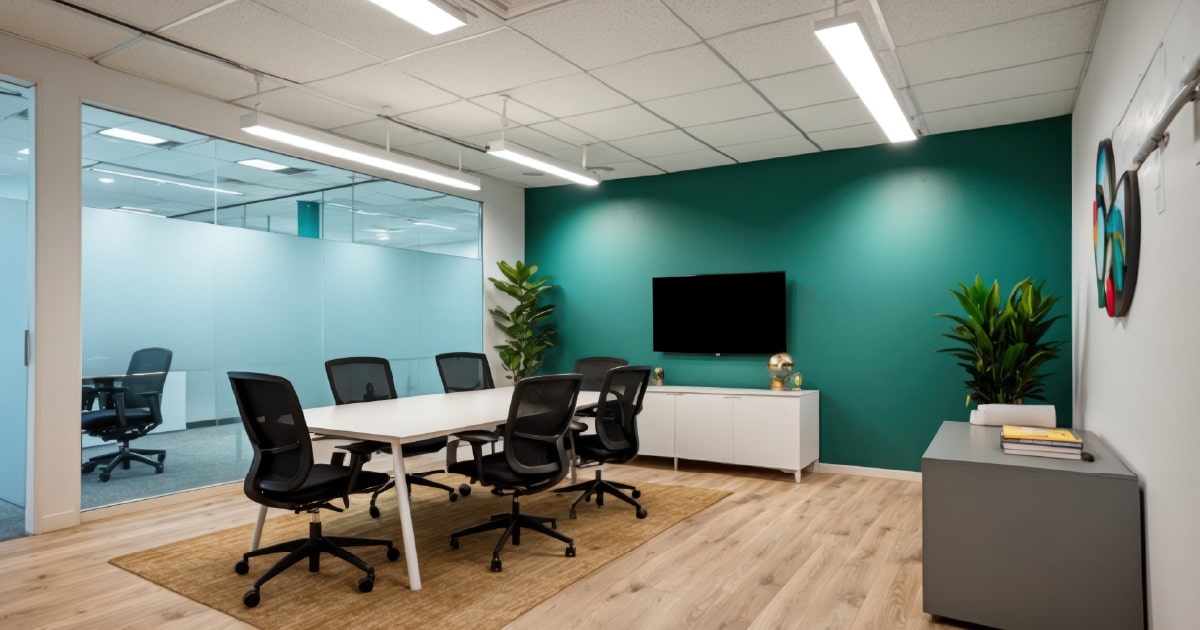
- Shared conference rooms and collaborative workspaces.
- Fitness centers or wellness areas.
- Break rooms, lounges, or gathering spaces.
- Outdoor seating areas or landscaped green spaces.
- Secure access control systems and keyless entry.
- High-speed internet infrastructure.
- Covered parking or EV charging stations.
- Bike storage and commuter-friendly facilities.
- On-site cafés, food service, or vending areas.
- Package lockers or secure delivery areas.
- Modernized lobby areas with comfortable seating.
- Smart building technology.
6. Address Deferred Maintenance
Minor problems can quickly turn into liabilities. By proactively resolving maintenance issues, you protect asset value and prevent unexpected capital expenses during a sale.
You should conduct regular inspections of your property’s roofing systems, plumbing, electrical infrastructure, structural components, parking lots, and sidewalks.
7. Improve Property Management
Professional, attentive management plays a major role in value growth.
Effective management ensures:
- Timely rent collection.
- Reduced vacancy rates.
- Responsive tenant communication.
- Proper maintenance scheduling.
Poor property management can be a killer for any property and has a heavy impact on tenant retention.
8. Stay Informed on Market Trends
Commercial real estate markets will inevitably shift over time.
Monitoring these changes can help you:
- Reposition your property strategically.
- Adjust lease rates competitively.
- Identify expansion or redevelopment opportunities.
Working with experienced commercial real estate professionals like our team at Weigand can help you capitalize on trends and timing.
Enhancing property appearance, upgrading building systems, strengthening leases, and staying aligned with market trends can boost tenant demand and property valuation.
How Weigand Can Help
Commercial property value is driven by a combination of physical condition, income performance, market demand, and long-term potential. Investing in strategic improvements today can deliver better returns tomorrow.
At Weigand, we partner with property owners to identify value-add opportunities. If you’re considering making upgrades, improving leasing strategies, or preparing to sell, our team is ready to help you make informed decisions that maximize your investment. Contact us today!
A commercial property’s value is driven by its condition, operating income, tenant stability, and market positioning. Investing in upgrades and working with commercial real estate experts can increase resale value and long-term ROI.

FAQs
Commercial property value is primarily based on Net Operating Income (NOI) and market capitalization rates (cap rates). Factors like tenant stability, lease terms, building condition, and location also influence overall value.
Yes. Energy-efficient buildings reduce operating costs and appeal to environmentally conscious tenants and investors. Lower expenses increase NOI, which directly impacts property valuation.
A diverse and stable tenant mix reduces financial risk. Properties with long-term leases, strong tenants, and consistent rent payments are typically more attractive to investors and buyers.
Routine inspections should occur at least annually, with major systems like roofing, HVAC, plumbing, and structural elements reviewed at the first sign of damage.
Professional property management helps maintain tenant satisfaction and ensure consistent maintenance, both of which support stronger property valuations.